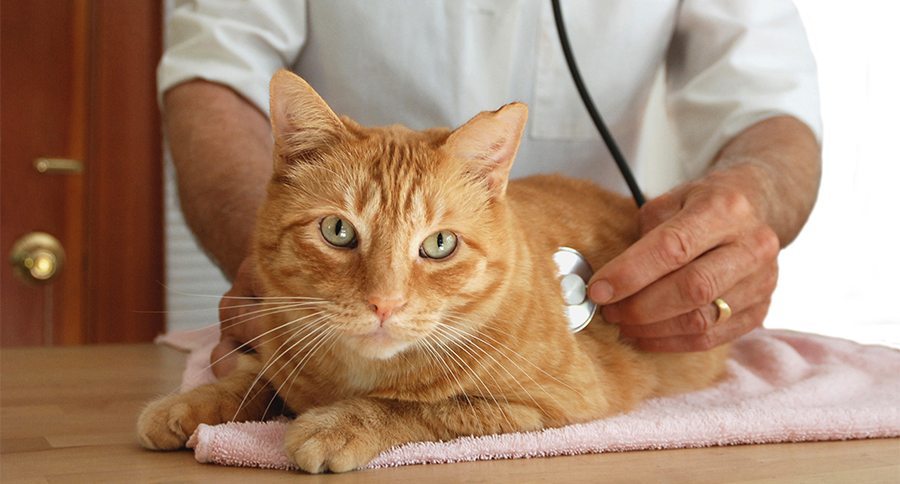
Feline asthma, like human asthma, is the chronic inflammation of the airways in the lungs.
When an asthma attack happens, the airways constrict and breathing becomes very difficult. In some cases, the cat's lungs will discharge mucus into the airways, resulting in bouts of coughing and wheezing. Cats with mild asthma often present with a mild, but chronic, cough.
Feline asthma generally develops in cats between the ages of two and eight years old. Female cats are more prone than male cats are. Furthermore, Siamese and Himalayan breeds and mixes of these breeds are seemingly more susceptible to developing the condition.
Recognizing Asthma in Cats
The common symptoms of feline asthma include:
- Chronic cough
- Coughing and wheezing
- Respiratory distress
- Open-mouth and labored breathing/difficulty breathing
- A bluish tint to the lips and gums
- Squatting, extending the neck, hunching the shoulders, and gasping for breath
- Spitting up foamy mucus
- General weakness and lethargy
Since asthma can be life-threatening for cats, any cat with a cough needs to see a veterinarian for a full exam.
Why Cats Get Asthma
Feline asthma is believed to be a consequence of allergic bronchitis. Allergic bronchitis is a condition that occurs when a cat comes inhales an allergen or other substance that stokes the immune system and as a result, the cat's airways become inflamed.


Certain biological and environmental factors can influence the severity of feline asthma. These include:

- Stress
- Parasites
- Obesity
- Dry air
- Pre-existing medical issues, including heart disease or other condition
- Allergens (for example: pollens, mold, cat litter additives or dust mites, cigarette smoke, perfume, allergies from select foods)
Keep in mind that asthma-like symptoms don't necessarily mean asthma. There are a number of other diseases that produce similar symptoms. These conditions include heartworm, heart failure, pneumonia, and respiratory parasites.
Diagnosing Asthma
If you suspect your cat has asthma, consult your veterinarian right away, as a thorough physical examination is necessary for a proper diagnosis. There are no asthma-specific diagnostic tests, but other studies, such as chest x-rays, blood work, analysis of bronchial secretions, and parasite tests, can help rule out other conditions.
If your cat receives a diagnosis of asthma, there is no cure. However, the good news is that there are medications and therapies that can help manage the condition. Your veterinarian can help you decide on the best course of action based on your cat's individual case.
Managing Your Cat's Asthma
If you know your cat has asthma, you can take a few simple steps to help prevent him or her from experiencing an asthma attack. These include:
- Reduce stress in your cat's environment
- Do not use scented cat litters or litters that create a lot of dust and other irritants
- Use a good humidifier, particularly during the winter months
- Keep your cat in shape; obesity contributes to asthma
- Routinely test your cat for internal parasites
- Do not use perfumes, aerosol cleaning products, hairspray, or room fresheners
- Do NOT smoke cigarettes around your cat


Do you have an asthmatic cat? How do you help your kitty cope? Tell us in the comments section!
WATCH NOW: Able the Two-Legged Cat Proves Handicaps Can Be Overcome

Love reading about pets?
Don't miss a story! Sign up for daily stories delivered to your inbox.